
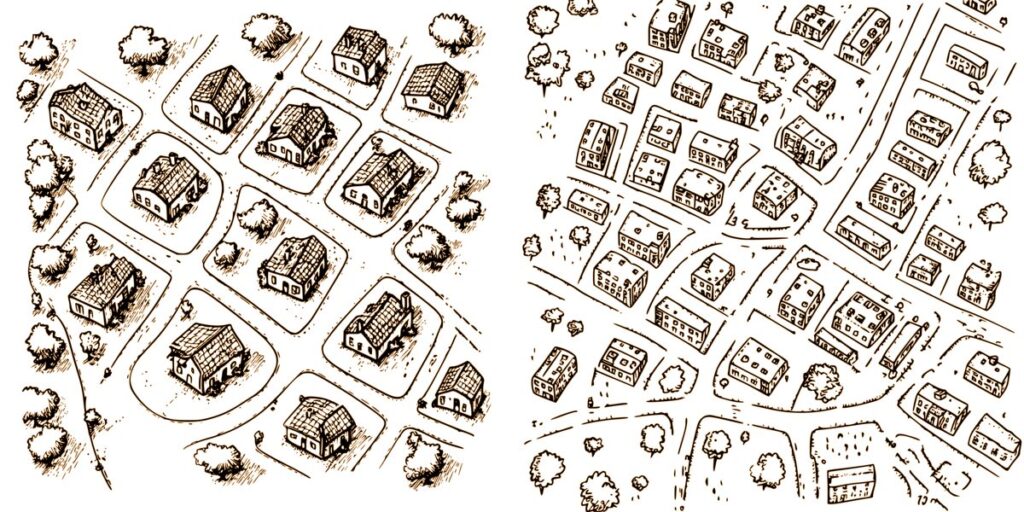
The Country Club District, stretching gracefully through the heart of Kansas City, Missouri, is far more than just a neighborhood. It’s a living testament to careful planning, historic preservation, and generations of community pride. As one of the largest contiguous planned communities in the United States, the Country Club District is a true Kansas City gem—where stately boulevards, storybook homes, and natural beauty all come together. Let’s step back in time and explore what makes this district so unique and beloved.
The Visionary Beginnings
The roots of the Country Club District date back to the early 20th century, when Kansas City was flourishing and expanding southward. The district’s story begins with a visionary developer, J.C. Nichols, whose influence is still felt today.
- In 1906, Nichols began developing land southwest of downtown Kansas City.
- His dream was to create a neighborhood of lasting beauty and value—blending homes, parks, churches, and shops within a tapestry of winding streets and green spaces.
Inspired by the ideals of garden cities and suburban planning from Europe, Nichols implemented innovative restrictions and covenants, focusing on aesthetic harmony, greenways, and community-oriented living.
How the Country Club District Got Its Name
The name “Country Club District” is as fitting today as it was a century ago, drawing inspiration from the Kansas City Country Club. Founded in 1896, this prestigious golf club was nestled near what is now 55th Street and Ward Parkway—a lush, rolling landscape that shaped the neighborhood’s character.
- The Kansas City Country Club served as both a landmark and a marketing anchor, attracting affluent families seeking refined suburban living with quick access to city life.
- The club’s presence influenced Nichols’ vision for the surrounding land, creating a community that felt simultaneously grand and welcoming.
Key Milestones in the District’s Growth
The growth of the Country Club District unfolded in deliberate phases, each marked by milestones that molded the community:
- 1906–1920s: Nichols establishes the first subdivisions, including Sunset Hill, Armour Hills, and Hampstead Gardens, using deed restrictions to ensure quality design and integration with parks and boulevards.
- 1923: The Country Club Plaza opens, becoming the nation’s first suburban shopping district designed to accommodate shoppers arriving by automobile.
- 1920s–1940s: Iconic homes emerge along Ward Parkway and throughout subdivisions like Brookside and Mission Hills (just over the state line in Kansas), many designed by well-known Kansas City architects.
- 1940s–1950s: The district matures, with thriving schools, churches, and parks anchoring the neighborhood’s family-friendly spirit.
Throughout these decades, Nichols’ restrictive covenants quietly influenced American suburban development nationwide, a legacy that continues to shape neighborhood planning.
Notable Landmarks and Architectural Treasures
The Country Club District is replete with landmarks, parks, and architectural gems that speak to its rich history.
- Ward Parkway: Often called Kansas City’s most beautiful street, this sweeping boulevard is lined with stately mansions, fountains, and stone markers. Drivers, walkers, and cyclists all enjoy the picturesque median parks.
- The Country Club Plaza: With its Spanish revival architecture, tiled rooftops, and iconic Giralda Tower, “The Plaza” is an enduring symbol of Nichols’ vision—combining art, commerce, and daily life.
- Loose Park: Located off 51st Street and Wornall Road, Loose Park is one of Kansas City’s most beloved green spaces, famous for its rose garden, walking trails, and Civil War history.
- J.C. Nichols Memorial Fountain: Situated at the entrance to the Plaza at 47th Street and Main, this beloved Kansas City fountain is often a gathering place for celebrations and photo opportunities.
- Historical Churches: Grace and Holy Trinity Cathedral and the Community Christian Church are among the spiritual landmarks woven into the district’s tapestry.
Many homes in the district are designed in architectural styles such as Tudor Revival, Colonial Revival, and Mediterranean, often set on large lots with mature trees and manicured gardens.
A Neighborhood that Grows with the City
While the Country Club District honors its historic roots, it has also evolved alongside Kansas City. Over the decades, it has welcomed new families, adapted to modern life, and continued to nurture a strong sense of community.
- Schools and Institutions: Southwest High School, Pembroke Hill School, and other public and private schools have shaped generations of learners.
- Active Neighborhood Associations: From homes associations to garden clubs, residents have worked tirelessly to preserve architectural integrity and neighborhood charm.
- Cultural Events: The annual Plaza Art Fair draws visitors from across the city and beyond, while neighborhood parades, holiday lighting displays, and garden tours foster community connections.
The legacy of J.C. Nichols’ original vision persists in the thoughtful planning, civic engagement, and ongoing investment in the neighborhood’s beauty.
Today’s Country Club District: A Cherished Kansas City Destination
Today, the Country Club District remains a place where the past and present are in constant, harmonious conversation. Residents and visitors alike enjoy walkable, tree-lined streets; the hum of local shops and cafes; and the sight of neighbors strolling together to a nearby park.
- The district’s boundaries are loosely defined but generally extend from approximately the Plaza area (47th Street) south to Gregory Boulevard, and from State Line Road east to Troost Avenue.
- Each subdivision and historic street, from Brookside Boulevard to Sunset Hill to the stone bridges of Wornall Road, has its own unique character and story to share.
Whether you’re admiring fountains along Ward Parkway, enjoying the vibrant Plaza nightlife, or simply savoring the timeless architecture, the Country Club District is undeniably a crown jewel of Kansas City—a place where history isn’t just preserved, but truly lived.
In Closing
The Country Club District is more than a neighborhood; it’s a Kansas City storybook, etched in stone, brick, and tree-lined avenues. Its legacy continues to inspire with each new chapter, blending tradition and innovation, and always remaining at the heart of what makes Kansas City such a special place to call home.